

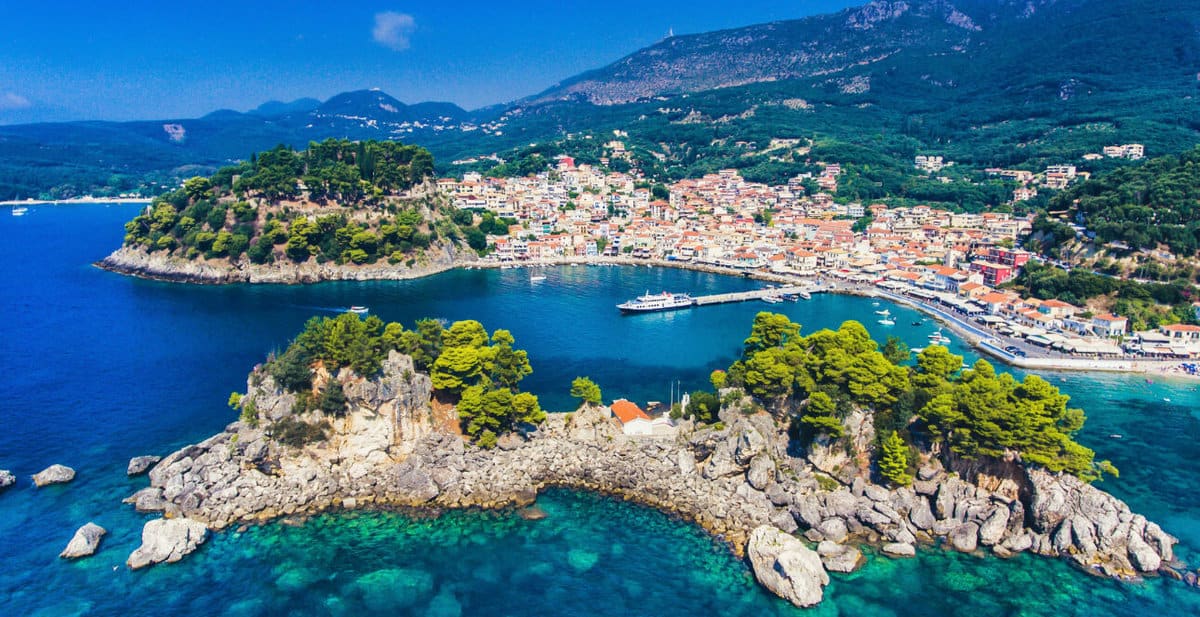

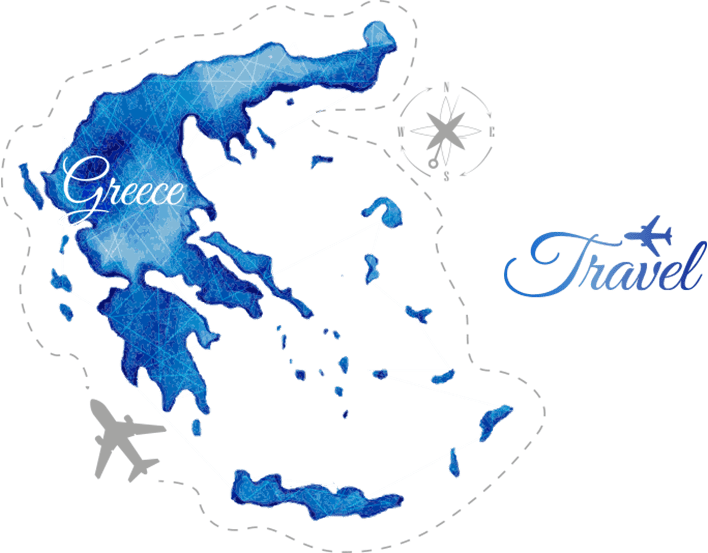
Greece is located in southeastern Europe, on the southern part of the Balkan Peninsula, bordering the Mediterranean Sea in south and the Ionian Sea in west. It shares borders with Albania, Bulgaria, Turkey, the Republic of Macedonia, and maritime borders with Cyprus, Egypt, Italy, and Libya.
Greece has a rich and fascinating history that has left a lasting impact on the world. It was the birthplace of democracy, philosophy, and the Olympic Games, and has been home to some of the world’s greatest thinkers and artists.
Greece is a wonderful travel destination for anyone interested in history, culture, and delicious food. Its beautiful landscapes, welcoming people, and fascinating traditions make it one of the most popular destinations in Europe.
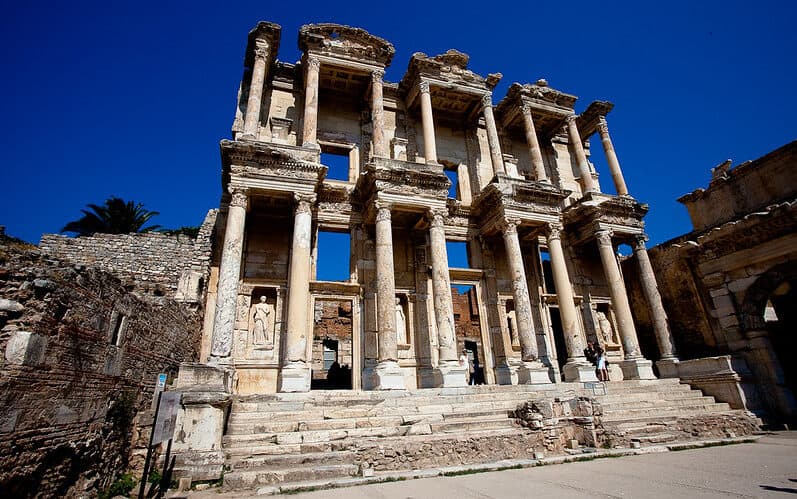
The temple of Ephesus
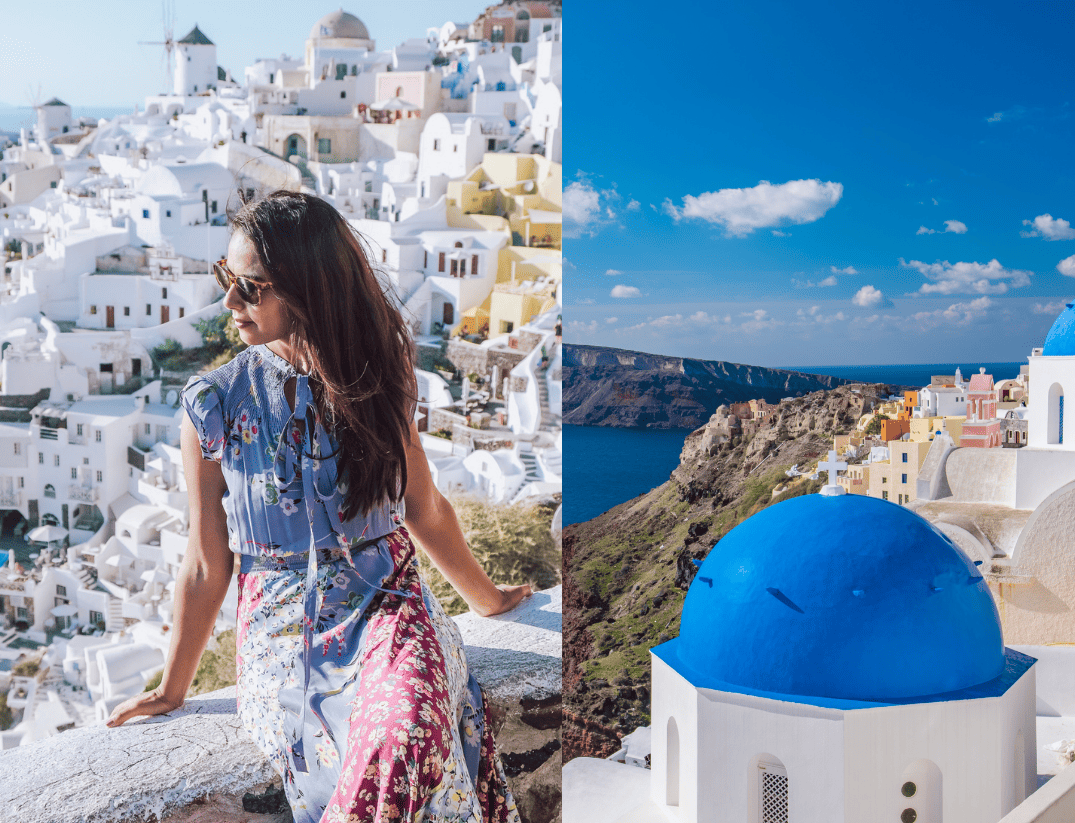
Santorini
Travel Requirements
Visitors from many countries, including European countries and the USA can enter Greece with just a valid passport. However, it is important to check the specific requirements for your country before travelling, as some countries may require a visa or other documentation.
Currency
The currency in Greece is the Euro, which is used throughout the country. Visitors can exchange money at banks, exchange offices, or ATMs, which are widely available in major cities and tourist areas.
Transportation
Public transportation in Greece includes buses, trains, and ferries. Ferries are the best way to travel between the Greek islands, while buses are an excellent way to get around the mainland.
Climate
Greece is known for its sunny and warm weather, with hot summers and mild winters. Some Greek islands are windy in the summer which can be quite pleasant but Greek islands tend to be crowded in July and August. The best time to visit Greece is in the spring and fall, when the temperatures are comfortable and the crowds smaller.
Food
Greek cuisine is famous around the world, with dishes like moussaka, souvlaki, and tzatziki being the top favourites. Greek food is delicious and uncomplicated and is often made with fresh ingredients, including vegetables, herbs, cheese and olive oil.
There are so many beautiful places to see in Greece. If you are undecided, take a look at Foreverlivingyes’ blog post 10-day island hopping itinerary for some great suggestions!
The ancient Olympic Games were held in Olympia in 776 BC. The modern Olympics were also revived in Athens in 1896, making Greece the birthplace of the Olympic movement.
While Greece has around 6,000 islands, only about 227 are inhabited. Some of the most famous include Santorini, Mykonos, Crete, and Rhodes.
Greek is one of the oldest written languages still in use today. The Greek alphabet has been used for over 2,500 years and many English words (like “philosophy” and “democracy”) have Greek roots.
Greece attracts more than twice the number of tourists than its population each year. With a population of around 10.3 million, Greece welcomes around 30 million visitors annually.
The colours of the Greek flag (blue and white) represent the sky and the sea, and are also the dominant colours of the stunning architecture you’ll see on islands like Santorini and Mykonos.
Due to its geography, Greece is never far from the sea, with 13,676 km (8,498 miles) of coastline, making it one of the longest in the world.
To preserve the ancient ruins, visitors aren’t allowed to wear high heels when visiting historical sites like the Acropolis. The sharp points could damage the stones!
Santorini didn’t disappoint on the food side and here I
Is Santorini worth visiting? Santorini is one of the